I. Introduction: The Lara Acosta LinkedIn Success Model
A. The “Expertreneur” Thesis
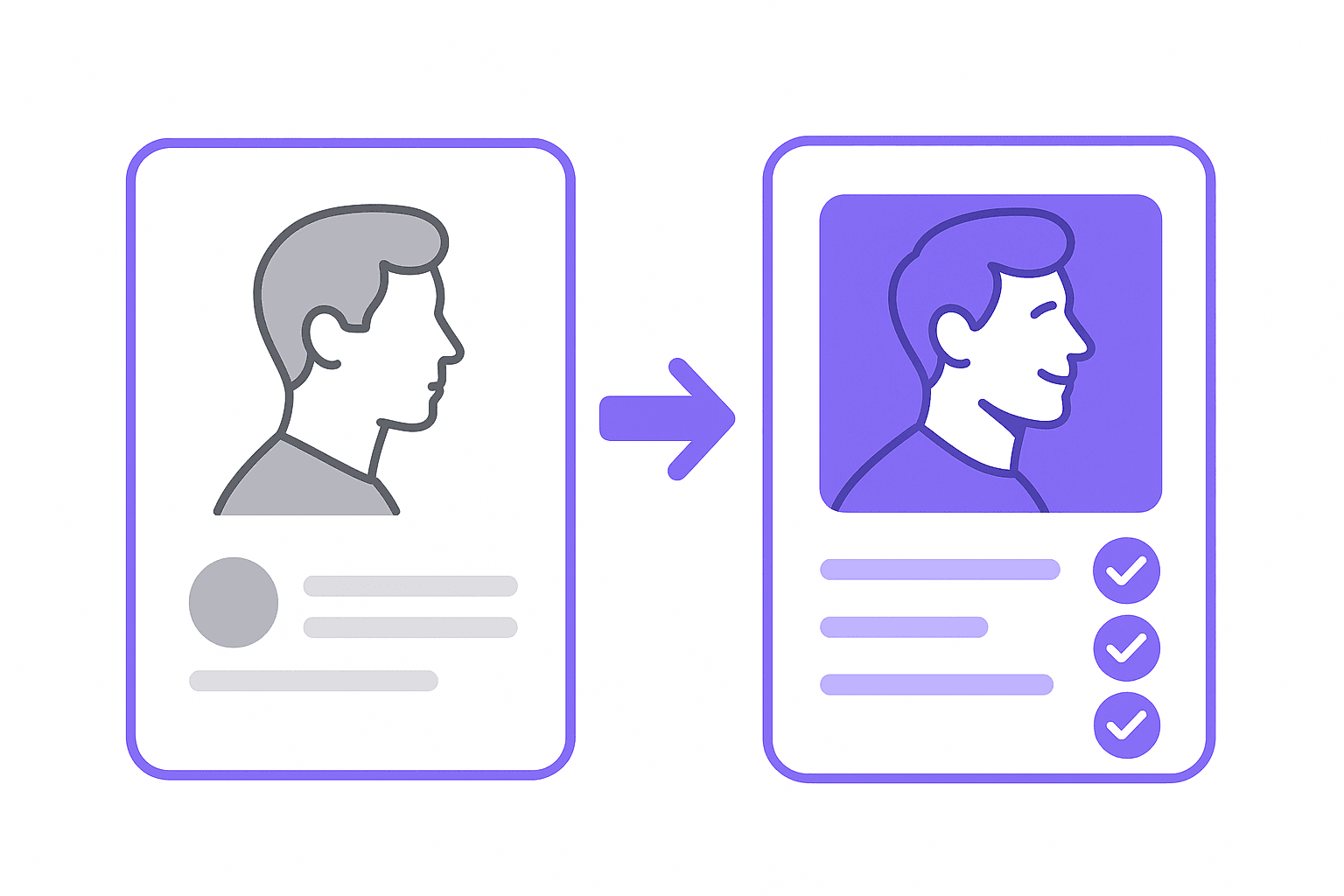
This report presents a comprehensive, granular, and actionable synthesis of the LinkedIn success methodology developed by personal branding expert Lara Acosta.
It is an operational playbook designed to transform a standard LinkedIn profile into a high-performance system for personal branding, lead generation, and business growth.
The core philosophy underpinning this entire strategy is the shift from a “content creator” to a “domain authority” or “Expertreneur”.
Success is not achieved through temporary “hacks” but by systematically engineering a profile for conversion, creating “proof-first” content that establishes expertise, executing a disciplined daily engagement protocol, and building a scalable one-person business model on the back-end.
This model posits that the LinkedIn algorithm is actively evolving to find and reward “domain authorities who can prove they’ve done what they teach”.
This report is the step-by-step instruction manual for becoming one of them.
B. The Five-Phase Implementation Framework
This report is structured as a five-phase operational plan.
Each phase represents a critical component of a self-reinforcing system.
The user will be guided from initial setup (Phase 1) to long-term market dominance (Phase 5):
- Phase 1: Engineering Your Profile for Conversion
- Phase 2: The Content Flywheel: Strategy, Creation, and Formatting
- Phase 3: The Attention Game: A 90-Day Engagement and Networking Protocol
- Phase 4: The Monetization Pathway: Converting Attention into Revenue
- Phase 5: Advanced Leverage: Stacking Authority and Engineering Growth
C. A Note on Granularity
In alignment with the analytical objective for an exhaustive, micro-detailed guide, this report documents every small step.
The cumulative effect of these micro-optimizations—from the precise number of comments to make under one’s own post to the specific psychological framing of a featured section—is what separates the top 1% of creators from the 99% who remain irrelevant.
Every step matters.
II. Phase 1: Engineering Your Profile for Conversion
This phase details every micro-step required to transform a static, passive profile into an active, 24/7 lead-generation asset.
The primary goal is to pass the “5-Second Test” — where a new visitor instantly understands:
- who you are
- what you do
- who you help
- and why they should trust you
This process is not about history (a résumé); it is about engineering a sales funnel.
A. Your Digital Identity: Crafting the High-Resolution Profile Photo
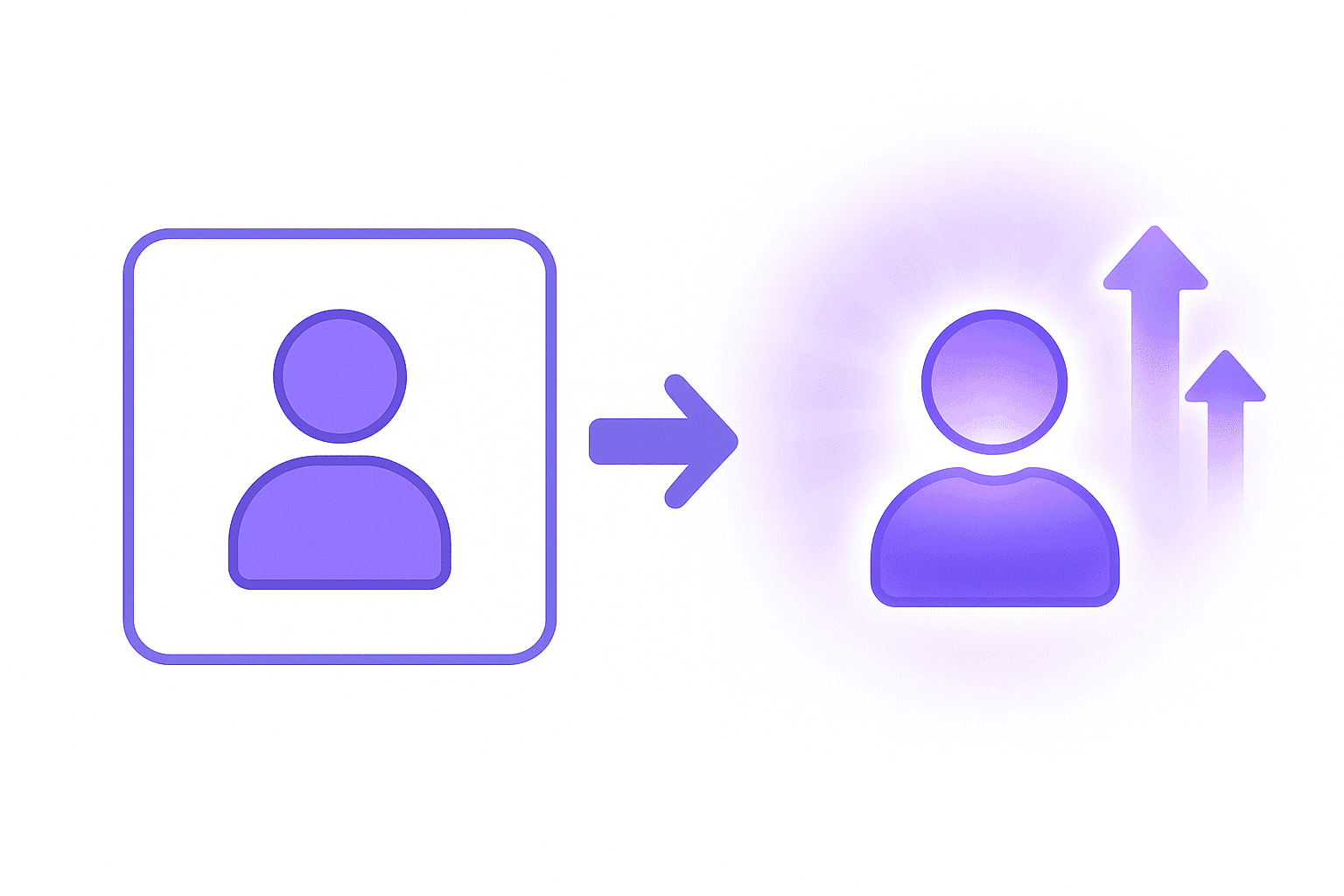
Your profile photo is not a simple headshot; it is your “logo”.
It must be a direct, high-resolution reflection of your professional positioning and brand identity.
Actionable Steps:
- Professional Appearance:
Your attire must align with your niche. To attract corporate clients, you must look professional and reinforce their belief in you as an expert. - Technical Quality:
The photo must be clear, high-quality, and well-lit. Use a quality camera or a modern smartphone on a timer; do not use old, blurry, or low-lit selfies. - Composition:
The photo should be an up-close headshot. You should be smiling and approachable. Avoid group photos or photos where your outfit takes up more space than your face. - Background:
Use a solid, clear, neutral, and non-distracting background. - Optimization:
Use a simple tool like remove.bg or Canva to remove the background and replace it with a solid brand color (e.g., green, purple, blue).
This makes the profile look cleaner and stand out visually in the feed.
B. The Prime Mover: A Master Guide to Headline Formulas
The headline is one of the two most visible elements of your brand, appearing in every comment and feed scroll.
It must be “catchy, short, and clear,” explaining exactly what you do and how you help.
It must also be optimized for keywords related to your transformation.
The choice of headline formula is not a static decision but a progression that maps to your journey as an authority.
Actionable Steps (Progressive Formulas):
- Level 1 (Beginner/No Offer):
Use the “On a mission to…” template. This is a low-friction starting point that states your intention. Example:
“On a mission to help entrepreneurs grow their social media sharing content about marketing and AI. - Level 2 (Service Provider):
Use the standard “I help X do Y with Z” template. This is effective once you have a clear service. Example:
“I help business coaches get more sales through DM”. Example structure:
“I help X (customer) to do Y (transformation) with Z (platform/method)”. - Level 3 (The Authority/Expertreneur):
This is the advanced, proof-first formula that demonstrates you have already achieved results. It is the most powerful formula and should be adopted as soon as you have the social proof to back it up. Formula:
[Proof/Authority] + +. Example 1:
“Scaled 47 e-commerce brands past 5 millions with email automation. Free case study below”. Example 2:
State the problem, offer a solution, and show authority. Example:
“100k+ followers | I help you X | Get my free course here”. - Social Proof (Mandatory):
Always add a line of social proof at the end of your headline.
This can be clients served, revenue generated, or publications featured.
C. Your 24/7 Billboard: Maximizing the LinkedIn Banner
The banner is your “24/7 billboard” and the most valuable, yet most wasted, real estate on your profile.
While a simple solid color is better than a poorly designed graphic, an optimized banner is a powerful tool for “Authority Stacking”.
Actionable Steps:
- Communicate Value:
Use the banner to clearly communicate your core offer, your next event, a major testimonial, or where else your audience can find you. - Integrate Social Proof (The “Halo Effect”):
This is the best place to instantly establish credibility.
Add logos of recognizable companies, publications you’ve been featured in (e.g., Forbes), or clients you have worked with. - The Beginner’s Tactic:
If you have no logos or established social proof, a powerful tactic is to work with your first clients for free in exchange for a powerful, results-oriented testimonial. Place this testimonial directly in your banner as your primary social proof.
D. The Conversion Engine: A Deep Dive into the Featured Section Strategy
This section is the “gold mine” for conversion.
It is the primary mechanism for moving a profile visitor into your sales funnel.
The most common mistake is wasting this real estate by pinning an old viral post.
Actionable Steps:
- Create Custom Thumbnails:
Design clear, professional, and “applicable” (not fluffy or broad) thumbnails for each item in your featured section. This “packages” your offers and makes them tangible, dramatically increasing click-through rates. - Choose Your Layout Strategy (The 1-or-3 Rule):
- The “One Offer” Strategy:
Funnel 100% of your traffic to a single, high-priority item.
This is ideal for a newsletter, a key lead magnet, or a product launch. - The “Three Offer” Strategy:
Present a clear value ladder.
This typically includes a high-ticket offer, a mid-ticket offer, and a free lead magnet/newsletter. - Alternative 3-Item Layout:
- Your main offer
- Your newsletter
- Another platform to redistribute attention (e.g., YouTube channel)
- The “One Offer” Strategy:
- The Cognitive Rationale:
The explicit instruction is to use one or three items, but to avoid two. This is a sophisticated understanding of cognitive friction:- One offer provides a single, clear path (no friction).Three offers provide a sense of “choice” and imply a mature, multi-faceted business.Two offers, however, create a “this or that” binary dilemma, which can cause hesitation and inaction.
- Implementation:
Go to your profile, press the plus icon in the featured section, add the destination link, and upload your pre-designed custom thumbnail.
E. Profile Mechanics: Final Optimizations
These smaller mechanical elements complete the profile-to-funnel conversion system.
Actionable Steps:
- The Custom Button:
Activate the “Custom Button” (located next to your profile picture) to drive sign-ups. This link should point to your newsletter, a key lead magnet, or a “Book a Demo” page. Implementation:
Go to your profile > click the edit (pencil) icon > scroll down to “Custom Button” and edit it. - The Primary Profile Link:
This is the main link in your bio section. It should lead to your overall business landing page or a conversion tool (like Stan Store) that houses all your links. Crucial Note:
Do not set this primary link to your newsletter. This wastes traffic. Place the newsletter link in the more visual, high-converting Featured Section. - The “About” Section (Summary):
Keep this section short, clear, and optimized for conversion, not as a long-form biography.- Line 1: A one-line summary of what you do and the value you provide.
- Line 2: A one-line summary of your social proof (e.g., “Worked with 100+ companies…”).
- Line 3: A clear Call to Action (CTA) to your primary owned audience (e.g., your newsletter or lead magnet).
- Customized URL:
Personalize your LinkedIn profile URL to be clean and professional (e.g.,/in/laraacostar). - Contact Info:
Ensure your contact information is updated and professional.
Use a business email, not a generic one, and link your portfolio (GitHub, Behance, etc.) if applicable.
III. Phase 2: The Content Flywheel: Strategy, Creation, and Formatting
This phase details the complete system for what to post, why to post it, and how to format it for maximum impact and authority-building.

A. Foundational Strategy: The “Rule of One” and Micro-Niching
You cannot be a generalist and succeed.
You must be known for one thing.
This is the “Rule of One”: focus on one problem, one solution, and one thing in all your content.
Actionable Steps:
- Micro-Niche Down:
Do not talk about “marketing.” This is too broad.
Talk about “Email automations for e-commerce brands doing $1 million+ a year”. - Identify Your Niche:
Find the intersection of your personal interest and market demand. List your skills, achievements, and hobbies. - Goal:
The goal is to be the only person, or at least the best and most prolific person, talking about your specific micro-niche.
B. Content Research: Reverse Engineering and Emulation
Social media rewards relevance, not originality.
The best creators do not start from a blank page. They start with research.
Actionable Steps:
- Prioritize Research:
Before you write a single word, spend time researching what already performs well in your niche. - Create a Swipe File:
As you scroll LinkedIn, bookmark, save, or screenshot every single viral or high-performing post you see. Store these in a dedicated Google Doc or Notion. - Curate Top 5 Creators:
Maintain a list of 5 creators in your niche who are consistently producing high-level content. - Reverse Engineer:
Every week, analyze what outperformed for those 5 creators. Identify the:- hook
- style
- length
- format (e.g., text-only, carousel, infographic)
- Emulate, Don’t Copy:
Use the proven structure and cadence from a successful post you found, but write your own original content and ideas within that framework.
C. The 80/20 Content Mix: Authority vs. Personality
Your content must build a dual-trust system.
It must build:
- cognitive trust (trust in your competence) and
- affective trust (trust in you as a human).
Actionable Steps (The 80/20 Rule):
- 80% Tactical/Educational Content:
This is the bulk of your content. It consists of tactical advice, “how-to” guides, lists, frameworks, and content based on your lived, “in the trenches” experience. This builds your authority. - 20% Personal/Inspirational Content:
These are “behind-the-scenes” posts showing you doing the work, sharing your personal story, or documenting your journey. This builds your audience and turns followers into “fans”. - The Critical Link:
Your 20% personal content must be relevant. If you share a personal story (e.g., an engagement), you must link it back to a professional lesson (e.g., how a supportive partner impacts your career).
D. The “Proof First” Mandate: The Expertreneur’s Voice
The algorithm is shifting to reward “domain authorities”.
You must prove you have done what you teach.
This approach is also a powerful antidote to imposter syndrome, as it reframes content creation from “proclaiming” to “documenting.”
You are an expert on your own experience.
Actionable Steps:
- Stop Generic Storytelling:
Avoid vague, “cringe” posts that say “here’s what I learned”. - Adopt “Proof” Storytelling:
Shift your language to:
“here’s what I did, and here’s what happened”. - Show Your Work:
Your content must be instantly applicable. Use concrete evidence in your posts:- Screenshots
- Case studies
- Before and after results
- Unique opinions based on being in the “true trenches”
E. Actionable Writing Frameworks: Mastering P.A.S. and S.L.A.Y.
Having proven frameworks allows you to replicate success without reinventing the wheel.
Actionable Frameworks:
- Framework: P.A.S. (Problem, Agitate, Solution)Use Case:
Primarily for conversion-focused posts but also highly effective as a hook for any post. Steps:- Sentence 1 (Problem):
Outline a clear problem (ideally <10 words). - Sentence 2 (Agitate):
Agitate the problem, making the reader feel it.
Add a “rehook” to encourage the “read more” click. - Sentence 3 (Solution):
Provide the direct solution.
- Sentence 1 (Problem):
- Framework: S.L.A.Y. (Story, Lesson, Actionable Advice, You)Use Case:
The default framework for high-performing educational and storytelling posts.
(Also referred to as S.L.A.V.E. – Story, Lesson, Action).
Steps:- S – Story:
Start with a brief, relevant anecdote to set context and grab attention. - L – Lesson:
Explain the main insight or lesson from the story. - A – Actionable Advice:
Provide the clear, practical, “save-able” steps the reader can apply. - Y – You:
End by focusing on the audience.
Ask an engaging question, finish with a platitude, or make them feel seen.
- S – Story:
F. The Visual Imperative: Packaging and Formatting
People are visual, even on LinkedIn.
Your message must be “packaged” correctly, or it will be ignored, no matter how good it is.
Actionable Steps:
- Use High-Quality, Aligned Images:
Every post should have an image. These images must be up-close, clear, well-lit, and reflect your brand. - Align Visual Hook with Text Hook:
Your image must align with your text. Do not use a personal selfie on a beach for a post about B2B sales strategy. If you share a personal story, then you can use a personal photo. - Leverage Visual Formats:
Use infographics, carousels, and screenshots of text (e.g., “Twitter screenshots”) to make your content more “save-able” and visually engaging. - Format for Skim-Reading (Mobile First): No one reads long paragraphs. You must optimize for skim-reading on a mobile device:
- Keep sentences 8-10 words maximum.
- Use short, one-line sentences.
- Use bullet points extensively.
- Ensure the text “sings, not skips,” with a good rhythm.
G. The Content Funnel: TOFU, MOFU, BOFU
A mature content strategy requires creating content for all parts of the customer journey.
Actionable Steps:
- Top of Funnel (TOFU):
- Goal: Optimize for pure visibility and reach a broad audience.
- Type: Broad, polarizing content
(e.g., founder life, work-life balance, company culture).
- Middle of Funnel (MOFU):
- Goal: Establish you as an authority and nurture your target audience.
This should be the bulk of your content. - Type: Thought leadership, value-sharing, frameworks, and resources
(e.g., sharing a go-to-market funnel).
- Goal: Establish you as an authority and nurture your target audience.
- Bottom of Funnel (BOFU):
- Goal: Convert your audience into customers.
- Type: Direct, product-related sales pitches.
The single most tried-and-true format for this is the Case Study
(e.g., “Excited to work with X company and help them achieve Y”).
IV. Phase 3: The Attention Game: A 90-Day Engagement and Networking Protocol
This phase outlines the daily, process-driven “work” that 99% of users are unwilling to do.
This is the engine of visibility.
This is a game of both quality (your content) and quantity (your comments).

A. The Daily Engagement Mandate: A Time-Blocked Action Plan
You must become your “biggest fan”.
This requires a non-negotiable daily time block.
Actionable Steps:
- Block 1-2 Hours Daily:
Religiously block out one to two hours every day in your calendar dedicated only to LinkedIn engagement. - The “No Scheduling” Rule:
Stop scheduling your content. This is a counter-intuitive but critical rule. The act of scheduling enables a “set it and forget it” mindset, which is the opposite of what is required. - The Behavioral Hack:
The “no scheduling” rule is a behavioral hack, or commitment device, designed to force you to be on the platform at the exact moment of maximum opportunity—the 30-60 minutes before and after your post goes live. This is the real secret. - The Engagement Window:
Your 1-2 hour block should be centered around your post time (e.g., 12:00 PM – 1:30 PM for a 12:30 PM post).
B. The “Pre-Post” Warm-Up (30 Minutes)
You must “warm up your feed” before you ask the algorithm for reach.
Actionable Steps:
- Warm Up:
In the 30 minutes before you post, go onto your feed and leave 10-20+ thoughtful, high-value comments on other people’s posts. - Targeted Commenting:
Your comments should target three groups:- Your general feed (to train the algorithm).
- Specific niche accounts (your peers).
- Big creator accounts (for visibility).
- Goal:
This activity signals to LinkedIn that you are an active, valuable member of the community before you even post, increasing the odds of your own content being favored. It also builds reciprocity.
C. The “Post-Launch” Protocol (60-90 Minutes)
What you do in the first hour after posting determines 90% of your post’s success.
Do not “post and ghost”.
Actionable Steps:
- Post Manually:
Drop your post at your chosen time. - Engage With Your Own Post:
- Like your own post.
- Add 3 Self-Comments: Immediately, comment three times under your own post.
- Comment 1: Add context to what you just said.
- Comment 2: Provide a personal update (e.g., “Here’s what I’m doing today…”).
- Comment 3: Copy/paste a past successful post.
This “over-delivers” and trains your audience to check your comments for more value.
- The Rationale for 3 Self-Comments:
This is a master-class tactic.- Algorithmically:
It instantly triples the “comment” count, signaling to LinkedIn that the post is generating “hot” engagement. - Psychologically:
A new visitor sees (at minimum) 3 comments, which breaks the “empty room” effect and provides social proof, making them more likely to add their own comment.
- Algorithmically:
- Reply to Every Single Comment:
For the first hour, and ideally for the next 30-60 days, reply to every single comment you receive. This makes your audience feel seen, valued, and dramatically increases the likelihood they will comment again. - Use Pinned Comments for Conversion:
Do not put your sales CTA (e.g., “Buy my course”) in the main post. This ruins the flow and trust. Instead:- Put 100% of the value in the main post.
- Add your CTA (to your offer, newsletter, lead magnet) as the first comment.
- Pin that comment to the top.
D. Active Outbound Commenting: The “Expert-Led” Comment
Your comments on other people’s posts are “mini-posts” and “billboards” for your brand.
They are an offensive strategy to drive thousands of new eyeballs to your profile.
Actionable Steps:
- Daily Goal:
Aim for 20-30 high-quality comments per day on other accounts. - What NOT to Do:
- Do NOT leave generic, value-less comments like “great post” or “100% agree”.
- Do NOT use AI to generate comments. It is obvious and trust-destroying.
- Do NOT use single emojis.
- What to Do (The “Expert-Led” Comment):
Your comment must add value to the conversation.- Share a mini case study or personal take.
- Challenge an assumption (respectfully).
- Add a tactical tip.
- Use humor or a relevant meme.
E. Strategic Networking & DM Protocol
You must actively build your network; it will not build itself.
Actionable Steps:
- Define Your “Dream 100”:
Create a list of 100 people (creators, founders, potential clients) who have your ideal audience. - The “Sniper Method” for Connections:
- Step 1: Go to an active creator or founder in your niche.
- Step 2: Open their comment section.
This is a pre-qualified list of active, engaged users. - Step 3: Find people who meet your criteria (e.g., “CEO,” “Founder”).
- Step 4: Right-click and open 10-20 of their profiles in new tabs.
- Step 5: Go to their profile and engage with their content (like, comment).
- Step 6: Send them a personalized connection request.
- Daily Connection Goal:
Send 20 personalized connection requests per day. (An alternative for pure ABM sales is to send a blank request, as it looks less “salesy,” but personalization is key for network building). - The 500+ Connection Goal:
Your first, most urgent networking priority is to get your profile to display “500+” connections. This is a fundamental, non-negotiable trust indicator for all new visitors. - The DM Strategy (The Non-Pitch):
- Rule #1: Do not “pitch-slap” (sending a sales pitch in the first message).Rule #2: Your goal is to start a conversation.
Script (After they comment on your post): “Hey [Name], thank you for commenting on my post, that was very kind. Are you into [topic of post] too?” Goal:
Find mutual ground, ask a simple, non-intrusive question, and have a casual back-and-forth. You must earn the right to talk about business.
V. Phase 4: The Monetization Pathway: Converting Attention into Revenue
This phase provides the complete A-to-Z playbook for building a six-figure one-person business.
This is the ultimate goal of the entire system.
The content and engagement are the means to this end.

A. Phase 1 & 2 of Business: Get Attention & Validate
Before you can monetize, you must have attention and a validated offer.
Actionable Steps:
- Get Attention:
This is accomplished by executing Phases 2 and 3 of this report (Content & Engagement). - Identify Your “Teachable Skill”:
List what you know, your personal achievements, and your hobbies. - Validate Your Skill:
Use your content to validate if your skill has market demand. Post 3-7 times a week and look at the data.- What topics get traction?What questions do people ask?
- Goal:
Commit to making your free content better than anyone else’s paid content.
B. Phase 3 of Business: Monetization & Owning Your Audience
The most critical mistake is building your business on “rented land” (i.e., relying on the LinkedIn algorithm).
You must own your audience.
Actionable Steps:
- Start a Newsletter:
This is the #1 way to own your audience, build a deep relationship, and sell to them over time. Use a platform like Beehive. - Write One Deep-Dive Email Weekly:
Use your newsletter to expand on the short-form content you post to LinkedIn. This is where you build the honest, long-term relationship. - Create a Free Lead Magnet:
Develop a free, high-value, downloadable resource. The only goal of this resource is to get people to give you their email address.Proven Formats:- Free Notion toolkits
- Long Google Doc step-by-step guides
- Loom explainer tutorials
- Use a Conversion Tool:
Use an all-in-one “link in bio” platform like Stan Store. It allows you to host your lead magnet, sell digital products, and manage your links without needing a complex website. - The “Give, Give, Ask” Framework:
- Give (Attention):
Give people free, high-value content on LinkedIn. - Give (Value):
Give them an even more valuable free lead magnet. - Ask (Conversion):
In exchange for the lead magnet, ask for their email.
Now you can sell to them.
- Give (Attention):
- The Lead Magnet Post:
Post on LinkedIn weekly with a direct offer for your lead magnet.- Hook: Start with a desire or problem (e.g., “Want to grow your LinkedIn?”).
- Offer: Offer the free resource. Remind them it’s free.
- Urgency: Add urgency to compel action.
- Frictionless CTA: Add the direct link to the lead magnet in the post or the pinned comment.
Do not make them “comment for the link.”
C. The One-Person Business Model: Structuring Your Offer Stack
This is the path from being a time-for-money “service-provider” to a scalable “business owner”.
Actionable Steps (The 3-Level Progression):
- Level 1: Done-For-You (DFY) Services
- What:
Full implementation of a service (e.g., ghostwriting, consulting, email automation setup). - Why:
This is where you must start.
It forces you to get good at your skill, it makes you money today, and it is the only way to build the social proof, results, and case studies you need for all other phases. - Action:
Create a simple offer (e.g., “I will write X posts for you for $Y/month”). Start at a manageable price (e.g., $500/month) and raise your prices as you get more results and experience.
- What:
- Level 2: Do-It-Yourself (DIY) Products
- What:
Scalable digital products (e.g., mini-courses, Notion systems, e-books). - Why:
This allows you to “build once, sell infinitely”. It decouples your time from your income. - Action:
Look for patterns in your DFY client work. What are the common questions, mistakes, and processes? Turn the solution to that specific, recurring pattern into your first digital product.
- What:
- Level 3: Done-With-You (DWY) Coaching
- What:
High-ticket coaching, paid communities, programs, or masterminds. - Why:
This is the high-leverage, high-ticket hybrid of service and product. - Action:
Offer 1:1 coaching calls. Then, collect all questions from your DFY and DWY clients. Create a video library of solutions to these problems. Host this content on a platform. Add weekly or bi-monthly live Q&A/masterclass calls. This creates a community and a powerful feedback loop for new content and products.
- What:
This monetization model is not just about revenue; it’s a “content generation machine.”
The DFY work (Level 1) is the R&D department for your entire business.
It provides the “in the trenches” experience, the client results, and the “Proof First” content (Phase 2) that fuels the entire flywheel.
VI. Phase 5: Advanced Leverage: Stacking Authority and Engineering Growth
This capstone section covers the advanced, high-leverage tactics for long-term dominance, moving from a creator to an undeniable authority.

A. Strategic Authority Stacking: The “Halo Effect”
“Perceived value” is critical when you are not yet established.
You must strategically borrow status and credibility from others.
Actionable Steps:
- Integrate Proof Everywhere:
As covered in Phase 1, use logos, testimonials, and authority statements in your banner, headline, and featured section. - Create “Halo Effect” Content:
This is a specific content type where you post about someone with a large, established audience. Example 1:
“This conversation with Steven Bartlett shifted my entire perspective on…”. Example 2:
“I’ve worked with Lara Acosta and this is what I noticed”. - Execution:
You do not need to know them personally. You can reference a webinar, podcast, or public post they made. The key is to add your own unique insight or lesson learned from their work. - Goal:
This creates instant trust by association. The advanced goal is that the authority figure (or their team) may see the post and comment on it, bringing their entire audience and “influence equity” to your post and profile. This is a “homing beacon” for your “Dream 100” network.
B. Engineering Hypergrowth: Collaborations and Networking
Stop building alone.
Hypergrowth is engineered through leverage.
Actionable Steps:
- Carousel Collaborations:
Partner with someone who has a similar audience size (a peer, not a mega-influencer). Create a high-value, in-depth piece of content (like a co-branded carousel) and post it on the same day. Prerequisites:
You must already be friendly, and your offers cannot be in direct competition. - Strategic Offline Networking:
Attend offline industry events, but with a new objective.- Goal:
Not to meet everyone, but to have 3-4 deep, meaningful conversations with key people. - Action:
Get high-quality photos at the event.
Use a friend or a professional photographer. - Content:
Do not post “I’m at this event.” Post after the event about the “top 3 lessons I learned,” tagging the speakers and people you met. This provides value and positions you as an expert, not just an attendee.
- Goal:
C. The End-Game: Thought Leadership Ads
This is the emerging blueprint for 2026 and beyond.
It is how you scale your authority indefinitely.
Actionable Steps:
- Identify Proven Content:
Go through your own analytics. Find your best-performing organic posts — the ones that built authority, shared a case study, or presented a powerful framework. - Boost as an Ad:
Promote this proven organic content as a “thought leader ad” using LinkedIn’s advertising platform. - Why It Works:
It does not look or feel like an ad. It is perceived by the new audience as a normal, high-value, organic post. This allows you to reach thousands of highly-targeted people with your best content, building trust and authority at scale without constantly creating new material.
VII. Capstone Resource: The Lara Acosta 90-Day LinkedIn Action Plan
This table synthesizes all daily, weekly, and monthly actions prescribed in this framework.
This is the implementation checklist to be followed for the next 90 days.

Cadence – Task / Action – Key Metric / Goal – Rationale & Source(s)
This table synthesizes all daily, weekly, and monthly actions prescribed in this framework.
This is the implementation checklist to be followed for the next 90 days.
DAILY – Profile & Networking
- Connect with Target Audience
- Goal: 20 new requests/day
- Build your 500+ connection base and follower count.
- Use the “Sniper Method”
- Goal: Target 10-20 profiles/day
- Find high-quality, active connections in your niche.
- Send DMs (Conversation, Not Pitch)
- Goal: 3-5/day
- Start conversations with new connections or commenters.
DAILY – Engagement (Pre-Post)
- Block Engagement Time
- Goal: 1-2 hours/day
- Non-negotiable time block for all engagement activities.
- “Warm-Up” Your Feed
- Goal: 30 minutes (pre-posting)
- Leave 10-20+ comments on other posts before you post.
DAILY – Content & Engagement (Post-Launch)
- Post Content Manually
- Goal: 1 post (on posting days)
- Do not use scheduling tools. Post manually.
- Engage With Your Own Post
- Goal: 1 Like + 3 Comments
- Like your post. Add 3 self-comments (context, update, past post).
- Reply to Comments
- Goal: 100% of comments
- Reply to every single comment for the first hour (min).
- Check for Conversion
- Goal: Monitor Pinned Comment
- Check for leads from your pinned CTA comment.
DAILY – Outbound Commenting
- Leave “Expert-Led” Comments
- Goal: 20-30 comments/day
- Your comments are “mini-posts” and “billboards.”
- Comment Quality
- Goal: 0 “Great Post” comments
- Add value: tactical tip, mini case study, personal insight.
WEEKLY – Content Strategy
- Post Frequency
- Goal: 3-5 times/week
- Consistent posting to gather data and build habits.
- Content Mix
- Goal: 80% Educational, 20% Personal
- Maintain the Authority/Audience balance.
- Research & Reverse Engineer
- Goal: 1-2 hours/week
- Analyze your “Top 5 Creators” and update your swipe file.
WEEKLY – Business & Monetization
- Write Newsletter
- Goal: 1 email/week
- Nurture your owned audience with deep, honest content.
- Promote Lead Magnet
- Goal: 1 post/week
- Create one post dedicated to driving email sign-ups.
MONTHLY – Strategy Review
- Analyze & Iterate
- Goal: 1 time/month
- Review your content data. Double down on what works, remove what doesn’t.
- Review “Dream 100”
- Goal: 1 time/month
- Update your email-list and track your networking progress.
- Review Offer Stack
- Goal: 1 time/month
- Analyze patterns from DFY work to identify new DIY/DWY opportunities.
VIII. Conclusion: Becoming Algorithm-Proof

The synthesis of this methodology reveals that the ultimate goal is not to “hack” the current LinkedIn algorithm.
The algorithm will inevitably change.
The goal is to build a system that makes you “algorithm-proof”.
This is achieved by:
- Developing a unique, “proof-first” Signature Style that cannot be replicated because it is based on your unique, lived experience.
- Building an Owned Audience via a newsletter, which makes you immune to the whims of reach and platform-specific risk.
- Establishing yourself as a true Domain Authority, where your audience seeks you out for your expertise, regardless of any algorithm.
This framework is not a quick fix.
It is a complete, 365-day business-building methodology.
Success is not a matter of a single viral post but of the disciplined, consistent, and daily execution of this system over time.