 Schedule a Call
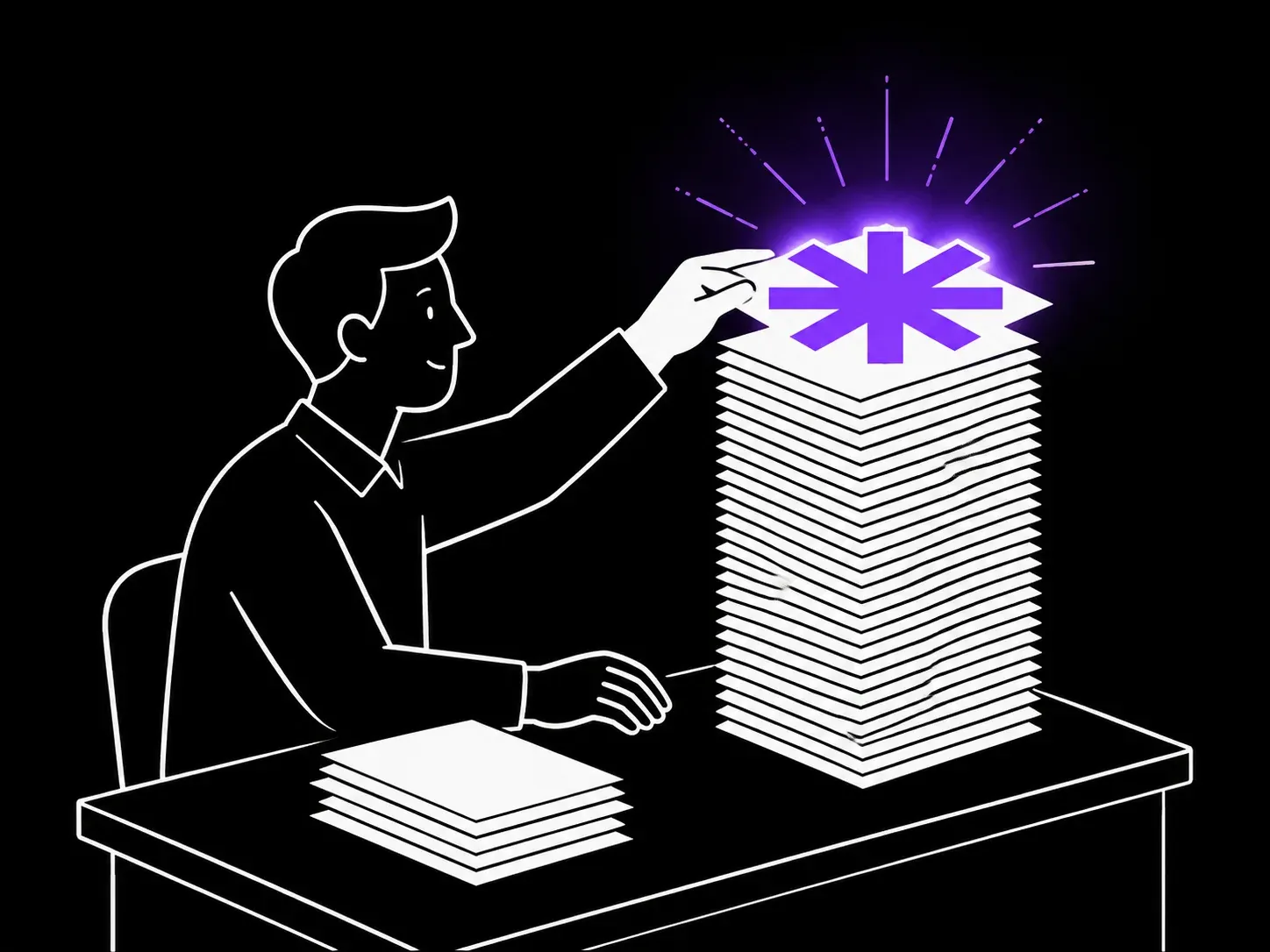
Every proposal your business sends repeats most of the same content: your scope language, your standard pricing structure, your terms, your signature block. Retyping that by hand for each new client isn’t a discipline problem. It’s a workflow gap, and automated contract and proposal generation is the specific fix for it.
What Actually Gets Automated
The workflow has three parts. First, a trigger: a deal moves to “proposal stage” in your CRM, or someone submits an intake form. Second, a merge step: an automation platform like n8n pulls the client’s name, scope, quantities, and pricing into a locked template, the same one your team already approved, so nothing gets improvised mid-document. Third, delivery: the finished PDF or Doc is emailed to the client or pushed into an e-signature tool like DocuSign, with a countersignature request already attached.
Where Manual Proposal Building Actually Costs You
The cost isn’t only the time spent typing. It’s the errors that creep in when a busy person hand-edits a document under deadline pressure: an old client name left in from the last copy-paste, a pricing line that doesn’t match this quarter’s rate card, a clause that was supposed to be removed. Contract-heavy processes lose more to these small manual mistakes than most business owners assume.
None of this requires custom software. A standard automation platform, a CRM you likely already use, and one approved template are enough to get a working version running. Once it’s live, the only manual step left in your proposal process is a final read-through before it goes out the door.
Each button opens the assistant with the prompt already written, asking it to teach this article step by step, in simple words.
 ChatGPT
 Claude
 Grok
Grok Perplexity
 Add as a preferred source